

Freon refrigerant
Refrigerant Series

A2L Refrigerant
View Details

CO₂ refrigerant
View Details

NH3 Refrigerant
View Details
Core Advantages and Applications of the Product
HEA Series Products
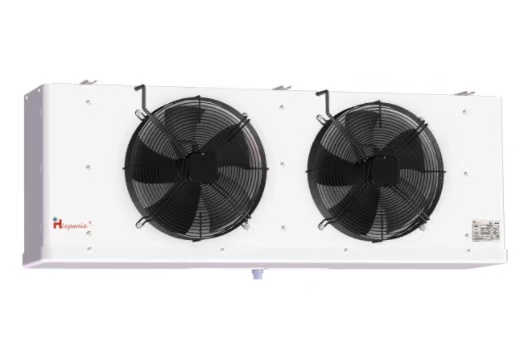
Technical Improvements and Safety Design
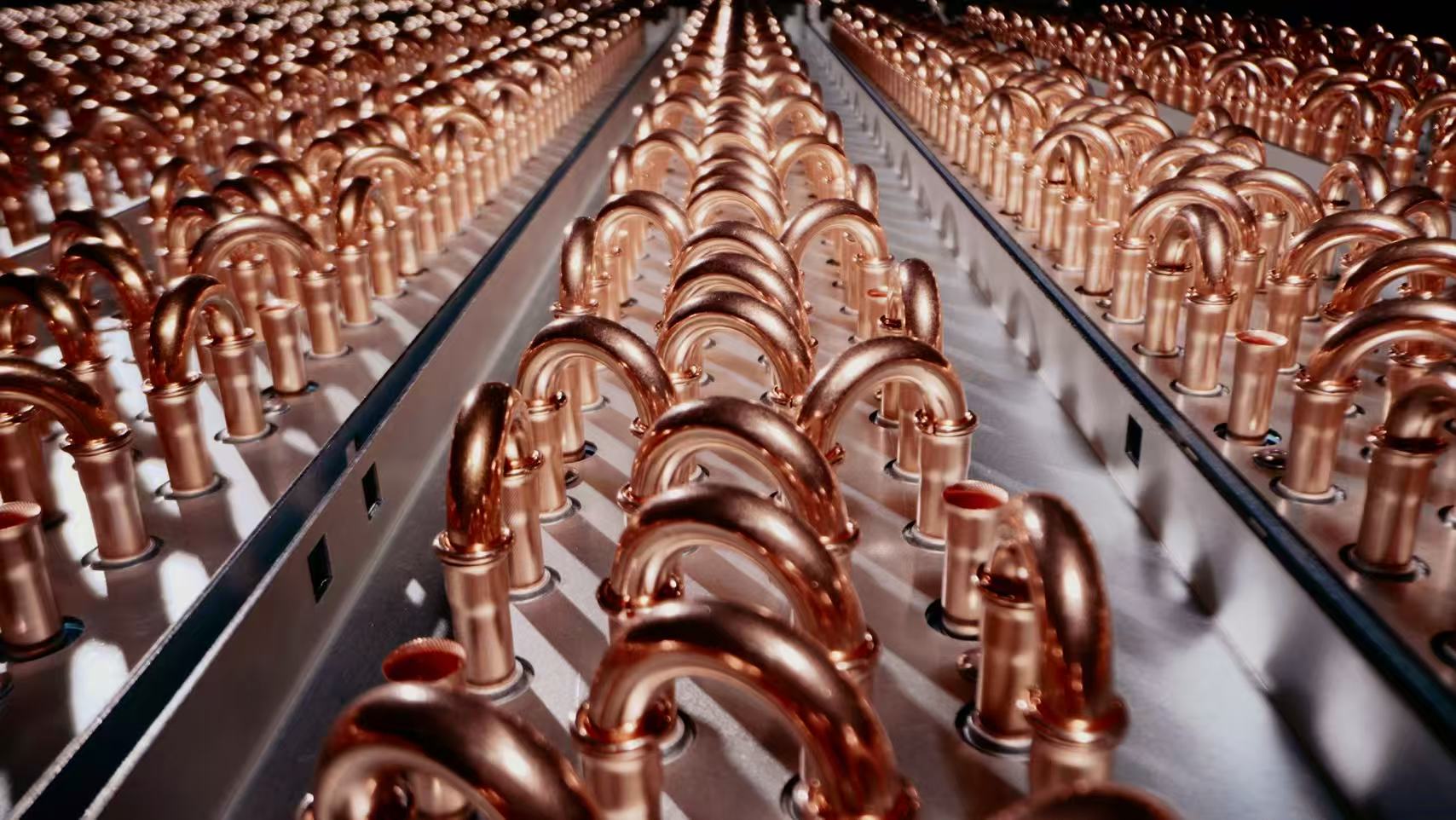
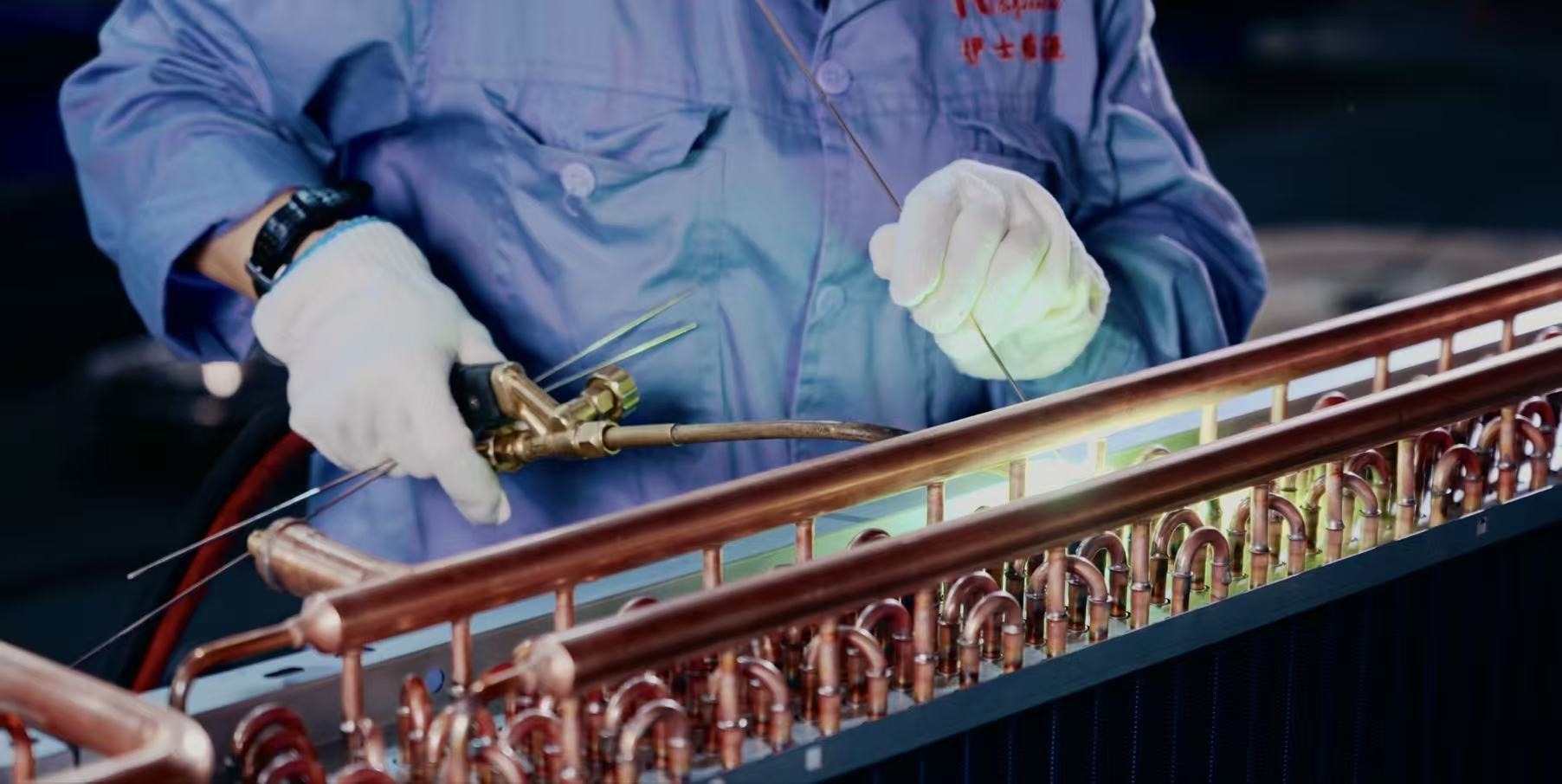
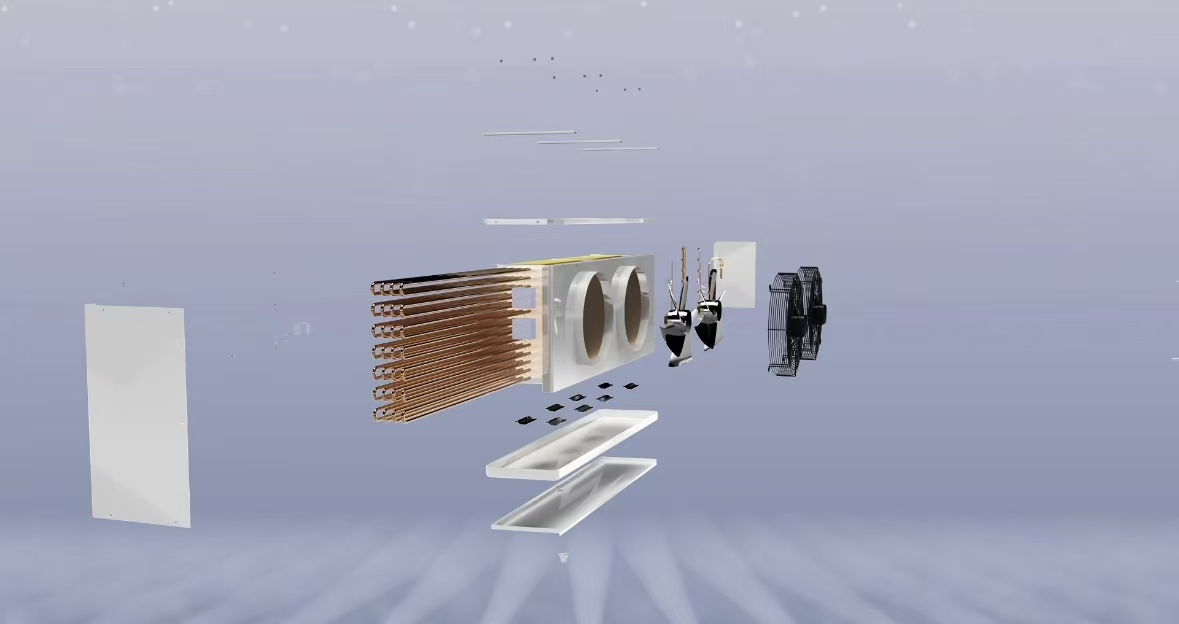
Key Technology Optimization

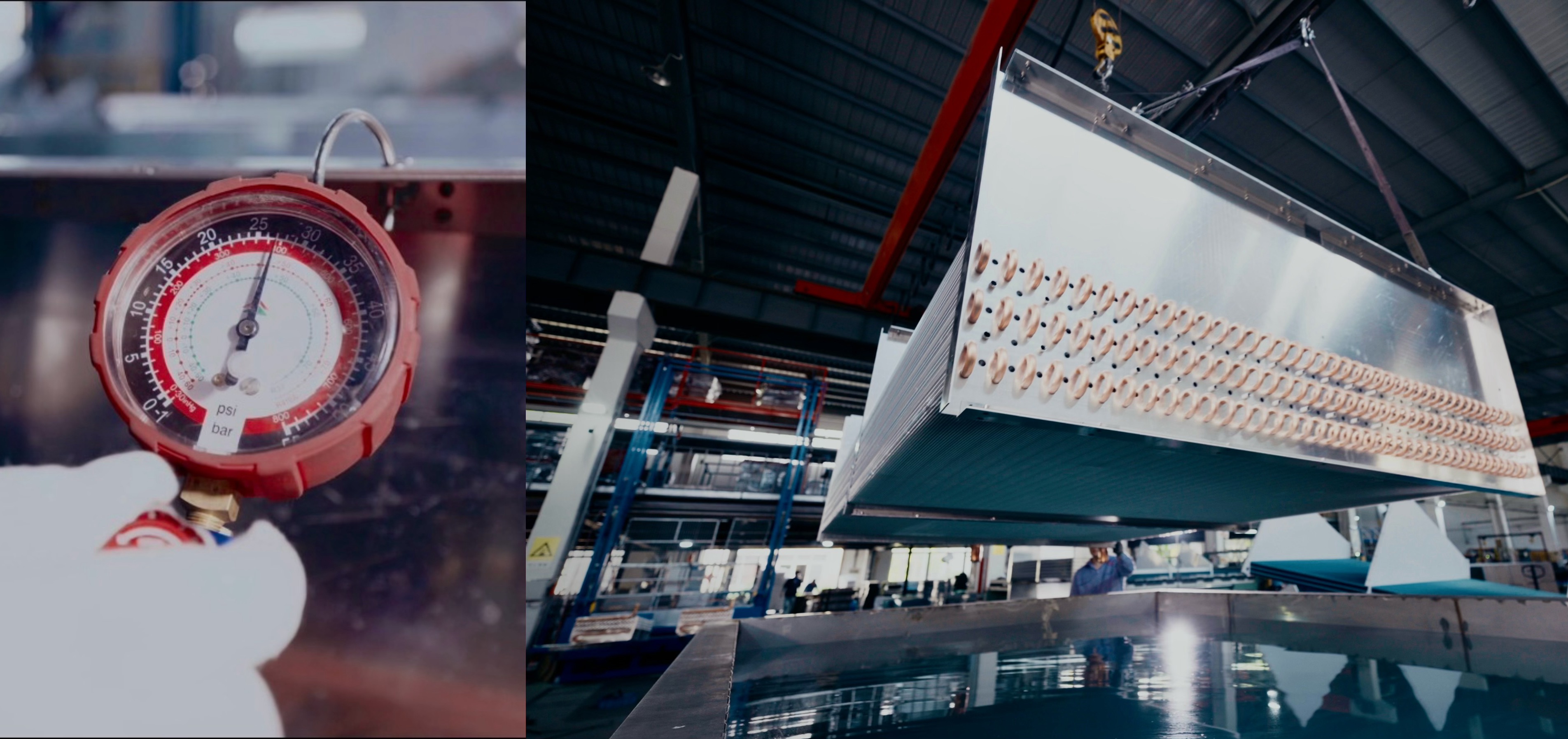
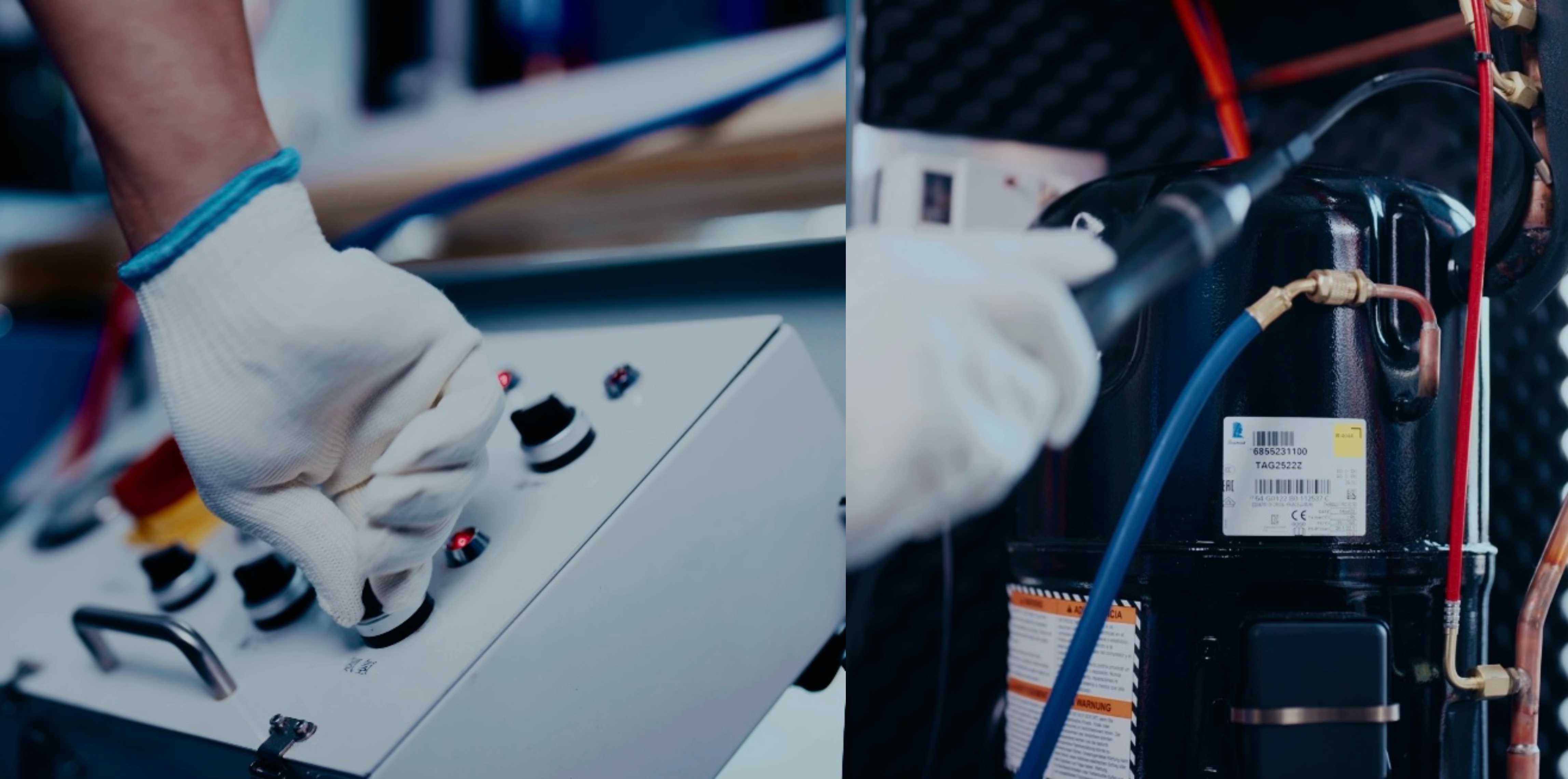
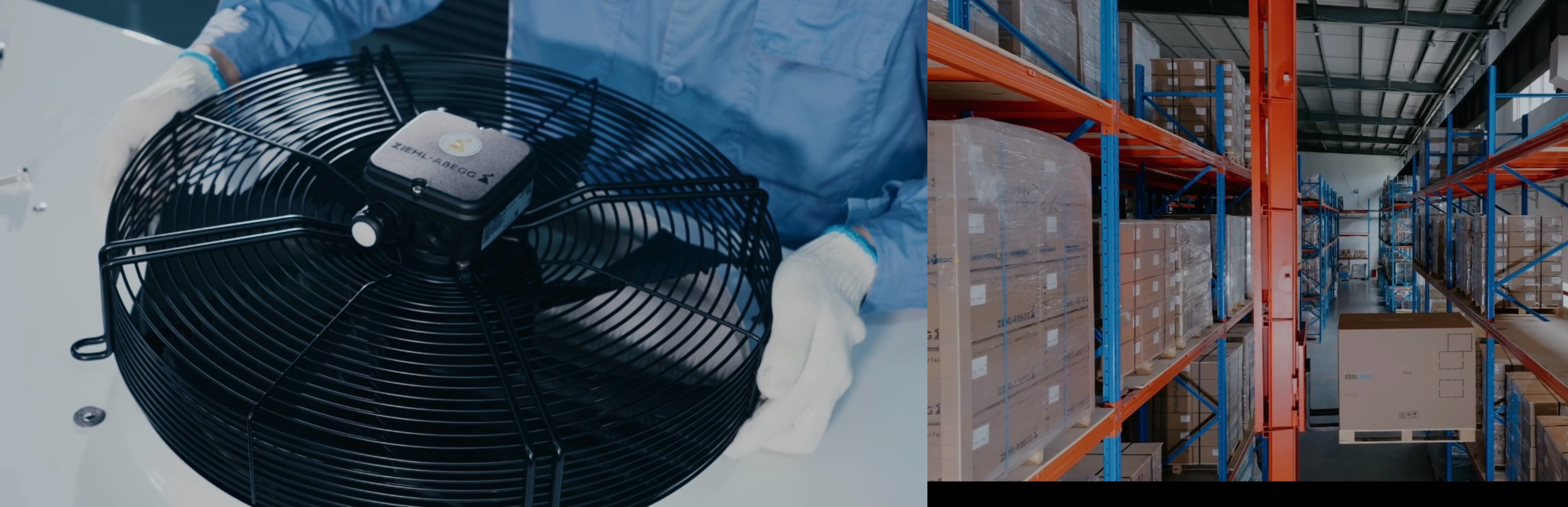
Pressure and Quality Testing

Global Regulatory Insights
Freon refrigerants are subject to extensive global regulation due to their ozone-depleting properties and contribution to the greenhouse effect. Key global regulations include:
Montreal Protocol on Substances that Deplete the Ozone Layer: An international treaty finalized in 1987 to protect the stratospheric ozone layer, mandating the phase-out of chlorofluorocarbons (CFCs) and hydrochlorofluorocarbons (HCFCs). CFCs have been phased out globally. The treaty targets a 99.5% reduction in HCFC use by 2020 compared to 1987 baseline levels, with complete HCFC phase-out by 2030.
The Kigali Amendment: An amendment to the Montreal Protocol extending reduction and phase-out requirements to hydrofluorocarbons (HFCs). Implementation timelines for phasing down HFCs under this amendment vary by country. Australia, Japan, Mexico, and numerous European, Asia-Pacific, and Latin American nations have ratified the amendment and are committed to achieving its targets.
EU F-Gas Regulation: The EU F-Gas Regulation (EU 517/2014) aims to reduce emissions of fluorinated greenhouse gases faster than stipulated by the Kigali Amendment. The regulation implemented a quota system for managing HFC refrigerants starting in 2015, with a gradual reduction to one-fifth of the 2015 baseline level by 2030. On January 19, 2024, the EU Council adopted a new F-Gas Regulation planning to achieve “zero placement” of HFC compounds in the EU market by 2050. It mandates the prohibition of HFCs (such as R32 and R410A) in split air conditioners and heat pumps starting in 2035.
U.S. Regulations: Sections of the 1990 Clean Air Act established the U.S. Environmental Protection Agency's (EPA) Significant New Alternatives Policy (SNAP) program to identify and evaluate alternatives to ozone-depleting substances, publishing lists of approved and unapproved alternatives. While some provisions were repealed in 2018, the EPA is currently rewriting the policy. Additionally, the California Air Resources Board (CARB) has developed state-level regulations specifying deadlines for banning certain high-global warming potential HFC refrigerants in specific refrigeration and air conditioning applications. Other states, including Washington and Vermont, are enacting similar regulations.
Japan's relevant regulations: The Ozone Layer Protection Act introduced policy measures shifting focus from the recovery and destruction of fluorinated gases to their entire lifecycle, including manufacturing, maintenance, and leak inspections. The Act on the Rational Use and Proper Management of Fluorocarbon Compounds was also enacted, regulating emissions of CFCs, HCFCs, and HFCs while promoting the use of low-GWP refrigerants in designated products.
Canadian Regulations: In December 2016, Canada amended its regulations to fulfill its current obligations under the Montreal Protocol, establishing a framework for the HFC phase-out schedule. This includes provisions for a licensing system and CO₂ equivalent allocations. Environment and Climate Change Canada issued five position papers to assist regulated entities in complying with the regulations.
Phone:
Email:
Address: